The Incan Empire, which flourished from the 13th to the 16th century, was renowned for its exquisite gold artifacts that played a significant role in the empire's economic, cultural, and religious practices. These artifacts not only showcased the empire's wealth and power but also its advanced metallurgical skills.
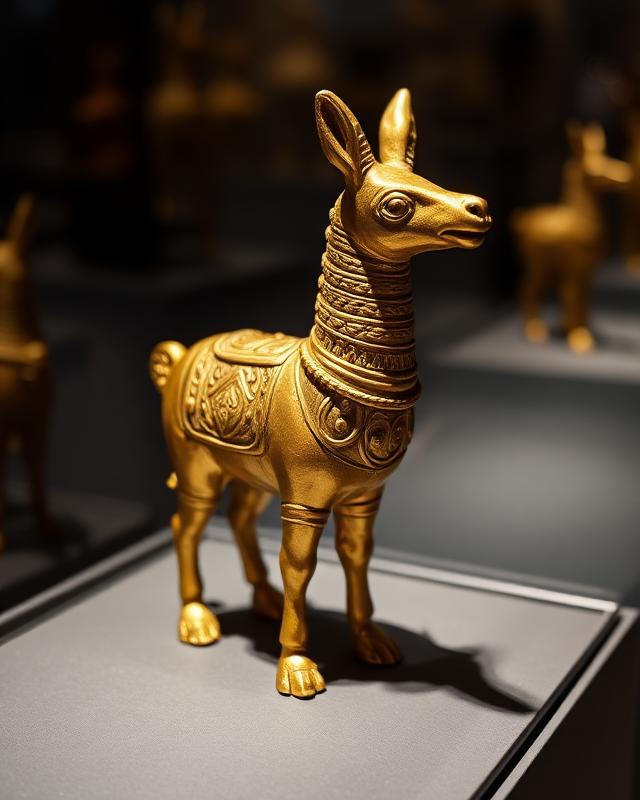
Ceremonial Objects
Masks, figurines, and ritual items used in religious ceremonies
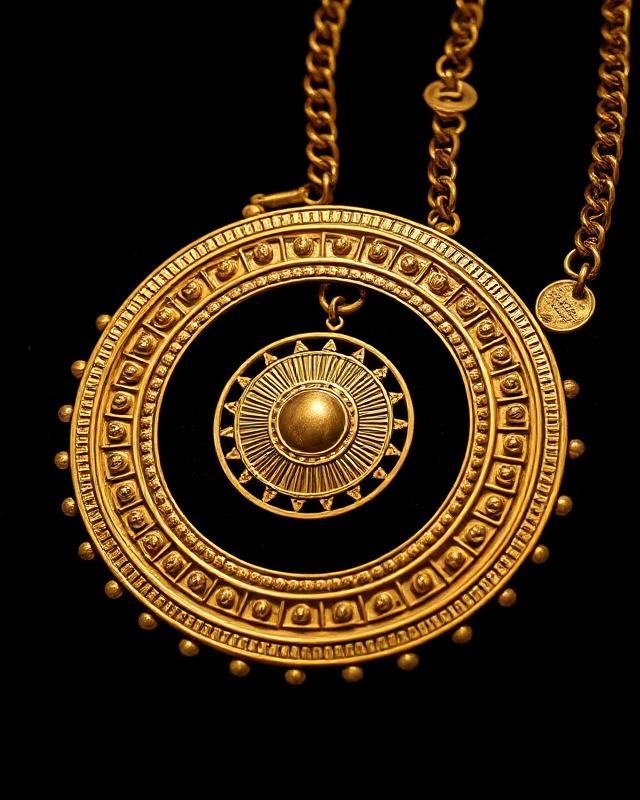
Gold Jewelry
Earrings, necklaces, bracelets, and the iconic tupu brooches
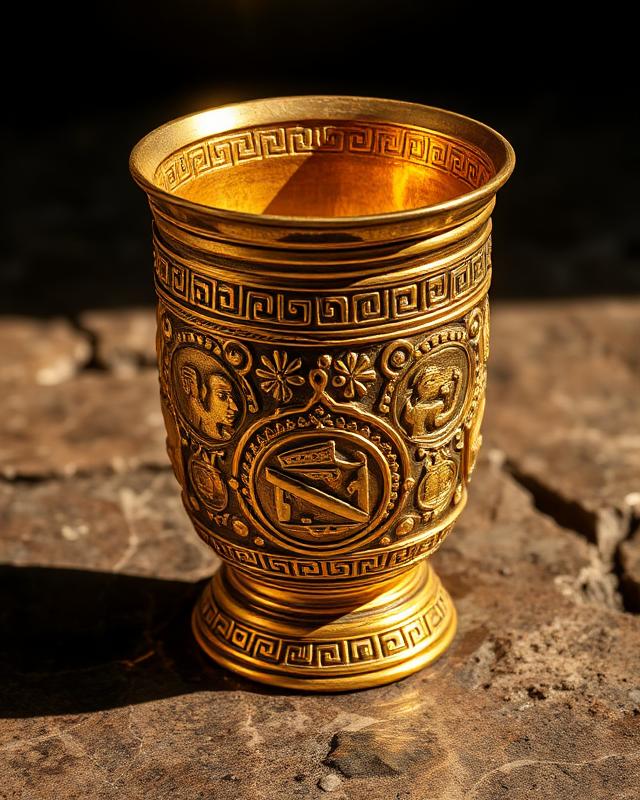
Decorative Vessels
Ornate containers and vessels used for ceremonies and offerings
◆Introduction to Incan Goldwork
Incan goldwork was characterized by its exceptional craftsmanship and attention to detail. The Incas developed advanced techniques such as hammering, casting, and soldering, which allowed them to create intricate and complex designs. Gold artifacts ranged from ceremonial objects like masks and headdresses to practical items like jewelry and utensils. The use of gold in these artifacts was not only for aesthetic purposes but also to signify the owner's status and wealth within the empire.
◆Economic Role of Gold Artifacts
Gold played a crucial role in the Incan economy, with gold artifacts being used as a form of currency in trade. The Incas traded gold artifacts with neighboring tribes and empires, which helped to establish and maintain diplomatic relationships. The value of gold artifacts was not only in their monetary worth but also in their cultural significance, as they often represented the giver's wealth and status. The economic role of gold artifacts is a testament to the empire's sophisticated understanding of economics and trade.
◆Art and Craftsmanship
Incan gold artifacts are renowned for their exceptional artistry and craftsmanship. The Incas were skilled metallurgists who could create intricate designs and patterns using various techniques. The artistry of gold artifacts was not limited to their aesthetic appeal but also reflected the empire's cultural and religious beliefs. For example, the use of gold in ceremonial masks and headdresses represented the wearer's connection to the divine.
◆Gold in Religious Practices
Gold played a significant role in Incan religious practices, with gold artifacts being used in ceremonies and rituals. The Incas believed that gold had sacred properties, which made it an essential component of their religious practices. Gold artifacts were often used to represent the gods and goddesses of the Incan pantheon, and their use in ceremonies helped to establish a connection between the mortal world and the divine.
◆Notable Gold Artifacts
Some of the most notable Incan gold artifacts include the gold mask of the Incan emperor, the golden statue of the sun god, and the intricate gold jewelry found in the tombs of Incan nobles. These artifacts are not only remarkable for their beauty and craftsmanship but also for the insight they provide into the empire's cultural, economic, and religious practices.
◆Preservation and Legacy
Today, many Incan gold artifacts can be found in museums and collections around the world, serving as a testament to the empire's rich cultural heritage. The preservation of these artifacts is crucial, as they provide a window into the past and help to promote a deeper understanding of the Incan Empire and its people. The legacy of Incan gold artifacts continues to inspire wonder and awe, reflecting the empire's enduring impact on the world's cultural and historical landscape.